

What's The Reason Everyone Is Talking About Pram To Stroller Right Now
페이지 정보

본문
Pram to Stroller: A Comprehensive Guide for New Parents
When you start the journey of parenthood, among the most necessary choices you'll make is selecting the ideal mode of transport for your baby. Among the myriad options available, prams and strollers are two popular options that deal with different requirements and preferences. Understanding the differences between these two items and how to shift from a pram to a stroller can make parenting more comfortable and pleasurable. This guide looks into the crucial features, pros and cons, and uses valuable suggestions for those navigating this important purchase.
Comprehending Prams and Strollers
Before diving into the shift from pram to stroller, it's vital to clarify what each term suggests.
What is a Pram?
A pram, brief for "perambulator," is a baby carriage developed mainly for newborns. Traditionally, it includes a flat, reclining seat matched for an infant's requirements, allowing them to lie down easily. Prams frequently have bigger wheels and a more robust frame, which is useful for stability and ease of movement on different terrains.
What is a Stroller?
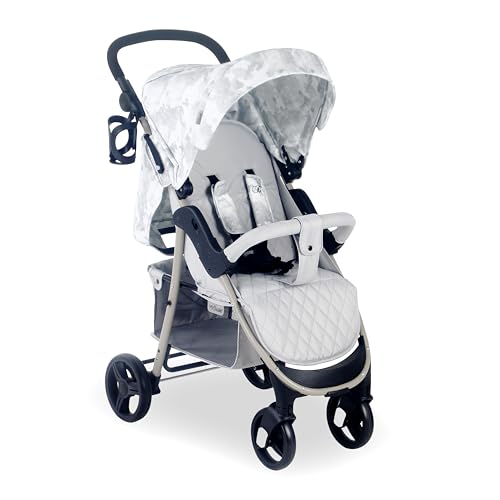
Conversely, pushchair a stroller is designed for older infants and toddlers. Strollers generally have an upright seat with harnesses, making them safe and safe and secure for babies who can stay up on their own. They are usually lighter and more compact than prams, making them much easier to bring and steer in crowded places.
Key Differences Between Prams and Strollers
| Feature | Pram | Stroller |
|---|---|---|
| Age Range | Newborn to 6 months | 6 months and up |
| Seat Position | Flat reclining | Upright with adjustable choices |
| Weight | Heavier | Lighter |
| Maneuverability | Large wheels for rough surface | Smaller wheels for urban usage |
| Storage | Less compact when folded | Generally folds compactly |
| Price Range | Usually higher | Differs extensively |
The Transition: From Pram to Stroller
As your baby grows, their needs will alter, and so will your transportation requirements. Transitioning from a pram to a stroller typically takes place around the 6-month mark when your baby can support their head and sit upright. Here's how to effectively make this switch:
1. Examine Your Baby's Readiness
Before making the shift, ensure your baby can sit up independently. Look for signs that they are strong enough and comfy in an upright position.
2. Select the Right Stroller
Types of Strollers:
- Standard Stroller: Great for daily use, with vital features.
- Umbrella Stroller: Lightweight and foldable, ideal for taking a trip.
- Jogging Stroller: Designed for active parents who want to run or jog.
- Convertible Stroller: Can transition from infant seat to young child seat.
Features to Consider:
- Adjustable seat and canopy for comfort and security from the sun
- Storage area for baby basics
- Easy folding system for transport and storage
- Strong safety features, including harness systems
3. Assess Your Lifestyle
Consider your lifestyle and where you'll most frequently be utilizing the stroller. If you regularly browse city streets, a compact and light-weight alternative may be best. Alternatively, if you delight in nature walks or jogging, a tough running stroller might be ideal.
4. Test Drive
Before buying, always check out different strollers. Examine the maneuverability, convenience, and ease of folding. Guarantee that you can comfortably raise and bring it as needed.
5. Shift Gradually
If your baby is comfy in the pram however you want to begin using the pushchair stroller, shift gradually. Start using the stroller for short journeys and gradually increase the period and frequency as your baby becomes accustomed to it.
FAQs
Q1: At what age should I shift from a pram to a stroller?
A: Most parents find that transitioning from a double pram and pushchair to a stroller is appropriate when their baby is around 6 months old and can sit up independently.
Q2: Can I utilize a stroller for a newborn?
A: While many strollers are created for infants, it's important to guarantee that the stroller can accommodate a newborn securely. Some strollers feature an infant safety seat attachment, making them suitable for newborns.
Q3: What are the safety factors to consider when utilizing a stroller?
A: Always utilize the security harness, make sure the stroller is stable when parked, and never ever leave your kid unattended in a stroller.
Q4: Are strollers pricey?
A: Stroller rates vary extensively depending upon features and brand names. It's possible to find both economical and high-end choices.
Q5: How do I maintain my stroller?
A: Regularly tidy your pushchair stroller, examine the wheels for wear, guarantee the harness system is intact, and follow the manufacturer's standards for maintenance.
Transitioning from a pram to a stroller marks an exciting advancement in your child's journey and your parenting experience. Each has its unique benefits, accommodating different phases and needs. By understanding these differences push chairs and prams taking a thoughtful approach to your choice, you can guarantee that you purchase the best equipment that suits your household's lifestyle.
Whether you choose the stability and convenience of a pram or the convenience and mobility of a stroller, each step in your parenting journey is an opportunity for growth and connection with your little one. Delighted strolling!
- 이전글What Is The Reason Buy Fake Money Cryptocurrency Is The Best Choice For You? 26.03.06
- 다음글3 Ways The Buy Fakes Legally Will Influence Your Life 26.03.06
댓글목록
등록된 댓글이 없습니다.