

Nine Things That Your Parent Teach You About Hob Hood
페이지 정보

본문
Understanding Hob Hoods: A Comprehensive Guide
In modern kitchens, the hob and the hood form an important duo in cooking areas, ensuring performance and aesthetic appeal. Among the numerous elements that make a kitchen safe and efficient, the hob hood-- frequently described as a range hood or kitchen hood-- plays an essential role by getting rid of smoke, steam, heat, and odors that emerge during cooking. This post checks out the intricacies of hob hoods, their types, advantages, installation factors to consider, and maintenance suggestions to make sure a safe and satisfying cooking environment.
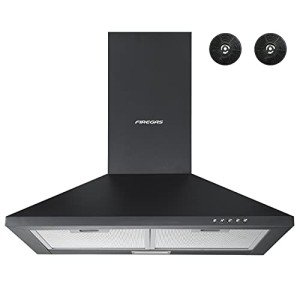
Table of Contents
- What is a Hob Hood?
- Types of Hob Hoods
- 2.1 Under-Cabinet Hoods
- 2.2 Wall-Mounted Hoods
- 2.3 Island Hoods
- 2.4 Downdraft Hoods
- Key Benefits of Hob Hoods
- Selecting the Right Hob Hood
- Setup Considerations
- Upkeep Tips
- Frequently Asked Questions (FAQs)
1. What is a Hob Hood?
A hob hood is a ventilation system situated above the cooking surface (the hob) created to extract smoke, vapor, heat, and odors when food is being prepared. Functionally, it contributes to indoor air quality and comfort, while also lowering cooking odors that could permeate the home. Its style can range from smooth and modern to standard, allowing it to fit perfectly into the kitchen decor.
| Function | Description |
|---|---|
| Functionality | Eliminates smoke, heat, and odors from the kitchen |
| Location | Directly above the cooking surface area (hob) |
| Design Variation | Readily available in numerous designs and finishes |
2. Types of Hob Hoods
While all hob hoods serve the exact same important purpose-- ventilating the kitchen-- there are numerous types available, each created for various kitchen designs and user choices.
2.1 Under-Cabinet Hoods
These hoods are mounted beneath kitchen cabinets and are developed to resemble kitchen cabinetry. They are often ideal for smaller sized kitchens.
2.2 Wall-Mounted Hoods
These hoods are set up straight onto the wall above the cooking surface area. They create a striking focal point in Modern Cooker Hood kitchens and are often utilized with expert cooking varieties.
2.3 Island Hoods
Developed for kitchens with a central island, these hoods are suspended from the ceiling. They are offered in a large selection of designs, including a visual appeal while providing outstanding ventilation.
2.4 Downdraft Hoods
Downdraft hoods are incorporated into the counter beside the hob and can retract when not in use. They are perfect for kitchens with area restrictions or open-concept layouts.
| Type | Secret Features |
|---|---|
| Under-Cabinet | Compact design, space-saving |
| Wall-Mounted | Striking visual presence, appropriate for high output |
| Island | Deals extensive coverage over an island, stylish |
| Downdraft | Space-efficient, hides when not in use |
3. Secret Benefits of Hob Hoods
Purchasing a quality hob hood uses many advantages, including however not limited to:
- Improved Air Quality: By effectively eliminating contaminants from cooking, hob hoods promote a much healthier kitchen environment.
- Smell Control: Prevents food smells from remaining in the home, permitting a more enjoyable living space.
- Decreased Heat and Moisture: Helps to control humidity and temperature, making the cooking experience more comfortable.
- Boosted Cooking Experience: With much better visibility and air flow, cooking ends up being more enjoyable.
4. Picking the Right Hob Hood
When choosing a hob hood, several aspects ought to be considered to ensure ideal efficiency.
- Size: The hood needs to preferably be larger than the hob to ensure effective air capture.
- Suction Power: Measured in cubic feet per minute (CFM), higher CFM rankings indicate more powerful suction.
- Sound Level: Look for designs that use a low decibel output for a quieter kitchen environment.
- Style: The design of the hood must complement your Extractor Fan Kitchen's visual.
- Filter Type: Decide between ducted or ductless systems based on your kitchen's setup. Ducted systems vent air outdoors, while ductless filters recirculate air after cleaning it with charcoal filters.
| Requirements | Considerations |
|---|---|
| Size | Hood larger than hob for much better protection |
| Suction Power (CFM) | Higher ratings mean better effectiveness |
| Sound Level | Try to find options with low decibel rankings |
| Style | Matches kitchen design and design |
| Filter Type | Ducted for outside ventilation, ductless for recirculation |
5. Installation Considerations
Proper setup of a hob hood is basic to its efficiency. Here are crucial considerations for installation:
- Height Above the Hob: Installation height can differ based upon hood type, but a general rule is 24-30 inches above a cooking surface.
- Ventilation Layout: Ensure proper ducting if utilizing a ducted hood. Think about any bends in ducting as this can decrease performance.
- Electrical Connections: Hoods need a source of power; ensure appropriate electrical connections are developed.
Consulting with an expert installer might be a good idea to make sure compliance with regional building regulations and standards.
6. Maintenance Tips
Maintaining a hob hood is important to guarantee it runs efficiently:
- Regular Cleaning: Clean the outside and interior of the hood, including filters, frequently utilizing proper cleaning options.
- Filter Replacement: Depending on usage, replace or tidy filters every 1-3 months for optimum performance.
- Examine for Blockages: Periodically, inspect ducting for blockages and eliminate any grease accumulation that might limit air flow.
| Job | Frequency |
|---|---|
| Tidy outside | Regular monthly |
| Clean or change filters | Every 1-3 months |
| Look for obstructions | Quarterly |
7. Frequently Asked Questions (FAQs)
Q1: Do I require a hob hood if I have windows?
A1: While windows provide some ventilation, a hob hood successfully removes heat and smells right where they're created, offering much better control over indoor air quality.
Q2: Can I install a hob Extractor Cooker Hood myself?
A2: While some homeowners may install a hob hood independently, it is a good idea to work with an expert to make sure correct installation, particularly for ducted systems that need venting.
Q3: How do I pick in between ducted and ductless hoods?
A3: Ducted hoods vent air exterior and are typically more effective for moisture and smell removal. Ductless hoods recirculate air and might be suitable for apartment or condos or homes without external wall access.
Q4: What upkeep is required for a ductless hood?
A4: For ductless hoods, regular cleaning of the filters and replacement when required is crucial for keeping air quality and efficiency.
A hob hood is more than just a home appliance; it's an essential part of any well-functioning kitchen. Comprehending the various types of hob hoods, their advantages, setup needs, and maintenance can enhance culinary experiences while ensuring a safe environment. With the right choice and diligent maintenance, a hob hood can significantly improve air quality and convenience within the kitchen, making it a beneficial financial investment for any home.
- 이전글Say "Yes" To These 5 Buy International Driving Permit Spain Tips 26.03.14
- 다음글The 10 Most Terrifying Things About Island Vent Hood 26.03.14
댓글목록
등록된 댓글이 없습니다.