

How To Choose The Right Soffit Board Repair On The Internet
페이지 정보

본문
A Comprehensive Guide to Soffit Board Repair
Soffit boards are an important yet typically neglected part of your home's exterior. They cover the underside of eaves, supplying ventilation and defense from the aspects. Nevertheless, like any part of a structure, they can experience damage gradually due to rot, bugs, or extreme climate condition. This blog post will detail reliable techniques for repairing soffit boards, indications of damage to expect, and best practices for guaranteeing a lasting repair.
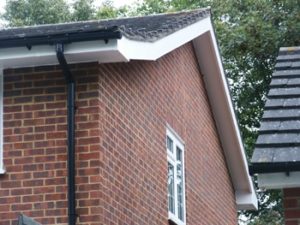
Understanding Soffit Board Damage
The initial step to repairing soffit boards is acknowledging the signs of damage. Common signs include:
- Visible Rot: Dark, mushy spots on the Soffit And Fascia Repair suggest moisture damage.
- Gaps and Cracks: Cracks or spaces may allow pests to enter your home or increase the threat of water damage.
- Peeling Paint: Paint that is flaking or bubbling suggests wetness is caught below.
- Pest Infestation: Sightings of pests or nests within or around the soffit can suggest a point of entry or damage.
Damage Causes and Prevention
Numerous elements can cause soffit board damage:
| Cause | Description |
|---|---|
| Wetness | Poor insulation or absence of ventilation results in condensation. |
| Pests | Termites, carpenter ants, and other pests can compromise wood structures. |
| Weather condition | Extreme temperature levels, heavy rain, Fascia And Soffit snow can weaken products with time. |
| Poor Installation | Incorrect installation might cause spaces, permitting water and pests to go into. |
To prevent damage, guarantee proper ventilation is installed, frequently inspect your roof and eaves, and preserve a dry environment in your attic.
Fixing Soffit Boards
Fixing soffit boards usually involves three actions: evaluating the damage, performing the repair, and preventing future issues. Here is an in-depth guide to each stage:
Step 1: Assessing the Damage
To commence the repair procedure, property owners need to:
- Conduct a Visual Inspection: Look for indications of damage or bug activity.
- Inspect for Moisture: Use moisture meters to discover moisture in the soffit.
- Test Structural Integrity: Gently poke the wood with a screwdriver or comparable tool. If it feels soft or collapses, it might need replacement.
Action 2: Performing the Repair
Depending upon the degree of the damage, repairs may vary. Here are a number of approaches to think about:
Minor Repairs
For small cracks and holes, you can:
- Clean the Area: Remove debris, loose paint, or dirt from the broken area.
- Apply Wood Filler: Use wood filler or epoxy to fill out cracks. Follow the manufacturer's instructions for application and drying time.
- Sand and Paint: Once dry, sand the location smooth and repaint to match the existing color.
Significant Repairs
For extensive damage, you may require to replace the soffit. Here's how:
Gather Materials: You will require replacement soffit boards, nails or screws, a pry bar, and a saw.
Material Function Soffit Boards To replace damaged areas Nails/Screws To secure the new boards Crowbar To eliminate old boards Saw To cut boards to size Get Rid Of Damaged Sections: Use a pry bar to carefully remove the harmed soffit board from the structure.
Cut New Boards: Measure and cut the replacement boards to fit snugly in the area.
Install New Boards: Secure them into location with screws or nails, ensuring they are flush with the surrounding structure.
Seal Joints: Use caulking to seal any joints or gaps to prevent future moisture seepage.
Action 3: Preventing Future Issues
After repairs are made, think about these maintenance suggestions:
- Inspect soffit boards at least as soon as a year.
- Make sure attic ventilation is sufficient to avoid wetness buildup.
- Cut trees or bushes to prevent particles accumulation on the roofing system.
Regularly Asked Questions
1. How can I tell if my soffit boards need repair?
Try to find signs of rot, noticeable spaces, peeling paint, or indications of pests. A basic examination every six months can assist capture problems early.
2. Can I repair soffit boards myself?
Yes, small repairs can frequently be handled by a DIY lover. Nevertheless, for comprehensive damage, working with a Professional Fascia Replacement might be suggested to ensure correct techniques and longevity.
3. The length of time does a repair take?
Small repairs can take a few hours, while total replacements might take a weekend depending upon the size of the task and skill level.
4. What products are recommended for soffit boards?
Common materials consist of vinyl, aluminum, and wood. Vinyl is highly recommended due to its resilience and low maintenance.
5. Should I paint new soffit boards?
If you choose wood or a product that requires painting, guarantee you use weather-resistant paint to extend the life expectancy of your repair.
Fixing soffit boards is an essential part of home maintenance that can assist prevent pricey issues down the line. By comprehending the causes of damage and acquainting oneself with the repair process, homeowners can efficiently preserve this important component of their homes. Routine assessments and maintenance can keep your soffits in prime condition, guaranteeing long-lasting security and appeal.
- 이전글Guide To House Door Lock Service: The Intermediate Guide On House Door Lock Service 26.03.12
- 다음글The 9 Things Your Parents Taught You About Certified Double Glazing 26.03.12
댓글목록
등록된 댓글이 없습니다.