

The 10 Most Terrifying Things About Shipping Container Architecture
페이지 정보

본문

Shipping Container Architecture: A Sustainable Future for Building Design
On the planet of architecture and construction, development continuously presses the boundaries of what's possible. One such trend that has acquired significant traction in the last couple of years is shipping container architecture. This method converts repurposed shipping containers into functional living and working spaces, supplying an environmentally friendly, cost-efficient, and aesthetically pleasing alternative to standard building methods. This post delves into the advantages, difficulties, and numerous applications of shipping container architecture while dealing with regularly asked questions and supplying an overview of the design procedure.
What is Shipping Container Architecture?
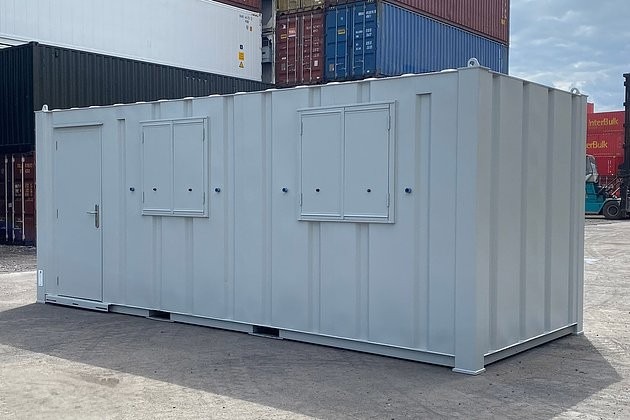
shipping container architecture (www.Harrisgilpatric.top) includes the design and construction of structures using intermodal containers as the main structure product. These steel boxes, initially meant for carrying products across oceans, are lauded for their strength, resilience, and modularity. The pattern has developed into a robust motion in sustainable building practices, appealing to eco-conscious designers, home builders, and homeowners alike.
| Secret Features of Shipping Containers | |
|---|---|
| Materials | Steel, insulation products, glass, etc. |
| Modularity | Quickly stackable and movable |
| Sturdiness | Resistant to rot, insects, and extreme weather condition |
| Affordability | Lower construction and functional expenses |
Benefits of Shipping Container Architecture
Sustainability: One of the most substantial advantages of shipping container architecture is its eco-friendliness. By repurposing these containers, home builders contribute to material reuse and reduce waste. Additionally, their toughness extends the life process of the raw materials, reducing the demand for new resources.
Cost-Effectiveness: Shipping containers are typically less expensive than standard building products. Their availability in the second-hand market likewise adds to decrease costs, making them an appealing alternative for budget-sensitive jobs.
Speed of Construction: Shipping container structures can be built reasonably rapidly, as a lot of the parts are pre-fabricated. This speed enables for quicker occupancy, which is important in housing crises or for short-lived setups.
Design Flexibility: Shipping containers can be combined, stacked, and modified thoroughly, providing designers with adequate chances to develop distinct styles that cater to particular needs and visual appeals.
Portability: Shipping container structures can be moved quickly, making them perfect for momentary structures or mobile living solutions.
Obstacles of Shipping Container Architecture
While the benefits of shipping container architecture are huge, it is vital to think about the possible difficulties as well.
Insulation: The metal structure of shipping containers postures challenges concerning temperature regulation. Appropriate insulation is necessary to make sure comfort in both cold and hot climates.
Zoning Laws and Regulations: Depending on regional policies, acquiring permission to build a shipping container home can be complicated. Each town has various building regulations that may not recognize shipping containers as appropriate building materials.
Modifications: While containers are structurally strong, modifications such as cutting and welding can damage their stability. Correct engineering is required to make sure safety and sturdiness.
Rust and Corrosion: Shipping containers are developed for maritime usage, however extended direct exposure to wetness can lead to rust. Treatments and coatings are often necessary to combat this issue.
| Obstacle | Possible Solution |
|---|---|
| Insulation | Premium insulation products and strategies |
| Zoning Regulations | Assessment with local authorities and adherence to codes |
| Modifications | Engage expert designers and engineers |
| Rust and Corrosion | Use ideal finishings and placement methods |
Applications of Shipping Container Architecture
Shipping container architecture is versatile and can be used in various sectors. Here are some of the most popular applications:
Residential Homes: Many homeowners welcome container homes as a sustainable living option. With imaginative designs and layouts, they can be transformed into comfy, contemporary homes.
Commercial Spaces: Retail stores, cafes, and offices can also take advantage of shipping containers due to their special appeal and fast construction. Mobile food trucks have gained immense popularity as an outcome.
Emergency situation Shelters: Shipping containers can be rapidly modified into short-lived housing units for disaster relief situations, making them essential to humanitarian efforts.
Pop-Up Developments: Container architecture enables short-lived installations for events, festivals, or markets, using unique experiences while lessening construction expenses.
Designing with Shipping Containers
The design process for a shipping container job typically includes the following actions:
Concept Development: Define the function and overall vision for the container structure.
Website Assessment: Evaluate the website for zoning restrictions, gain access to, and energy connections.
Container Sourcing: Identify and acquire the required shipping containers based upon size, condition, and spending plan.
Architectural Planning: Collaborate with architects or design experts to produce detailed plans, layouts, and structural engineering examinations.
Construction: Engage construction experts with experience in working with shipping containers, guaranteeing that all modifications abide by security requirements.
Completing Touches: Install energies, insulation, interior finishes, and landscaping to finish the job.
Frequently Asked Questions
Q1: Are shipping container homes inexpensive?A: Yes, shipping container homes can be more budget friendly than conventional homes, particularly if you buy used containers and deal with a few of the labor yourself.
Q2: Are shipping containers durable?A: Shipping containers are incredibly resilient and can endure harsh climate condition, but correct treatment is needed to decrease rust and corrosion.
Q3: Can shipping container homes be tailored?A: Absolutely! Shipping containers can be quickly modified to match different design requirements, consisting of layout changes and visual choices.
Q4: Do shipping container homes need building licenses?A: Yes, structure authorizations are typically needed, and it is necessary to examine regional zoning laws in advance.
Shipping container architecture represents a revolutionary and sustainable technique to developing design. With many advantages, consisting of ecological advantages, cost-effectiveness, and design flexibility, this trend is an excellent option for innovative architecture. Nevertheless, potential home builders should thoroughly consider prospective difficulties and the required steps for a successful job. As society gravitates towards sustainable practices, shipping container architecture is most likely to end up being a significantly practical and attractive solution for contemporary living and working environments.
- 이전글Nine Things That Your Parent Taught You About ADHD Online Test UK 26.03.05
- 다음글Exterior Door With Window Tools To Improve Your Everyday Lifethe Only Exterior Door With Window Trick That Everyone Should Learn 26.03.05
댓글목록
등록된 댓글이 없습니다.