

The Most Effective Reasons For People To Succeed On The Industrial Mil…
페이지 정보

본문
A Comprehensive Guide to Buying Industrial Milling Machines
When it pertains to the manufacturing and production markets, the precision and reliability of machining procedures are essential. Industrial milling machines play an essential function in creating parts and components, allowing makers to satisfy quality standards and Industriefräsmaschinen Kaufen (just click the up coming post) customer expectations. This article aims to provide an extensive understanding of industrial milling machines and essential factors to consider when making a purchase.
Comprehending Industrial Milling Machines
Industrial milling machines are devices used for shaping and machining metal and other materials by removing material from a workpiece. Using rotary cutters, these machines can carry out a range of operations such as drilling, boring, and slotting. Milling machines can be found in numerous sizes and configurations, customized to satisfy the particular requirements of various markets.
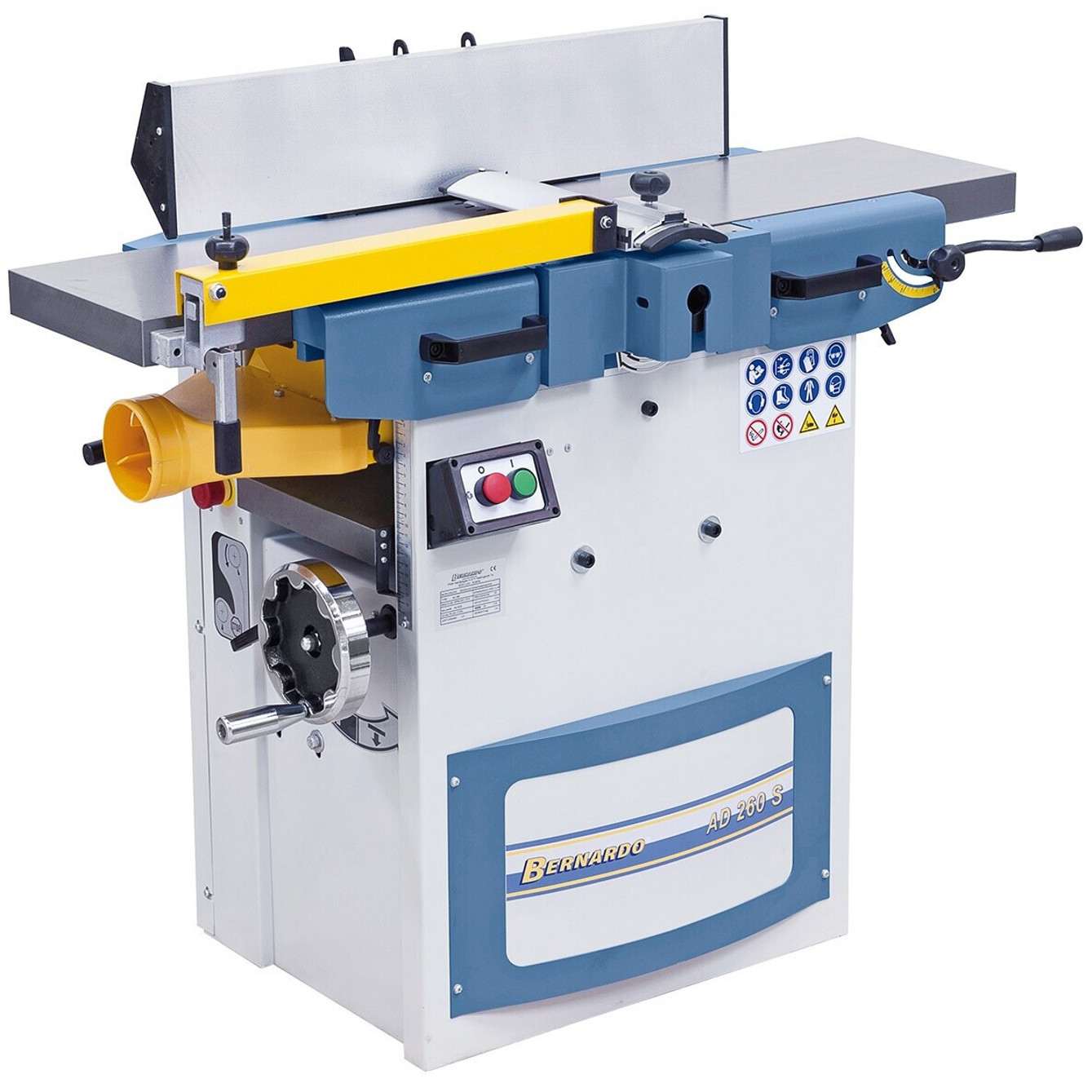
Kinds Of Industrial Milling Machines
| Milling Machine Type | Description | Common Applications |
|---|---|---|
| Vertical Milling Machine | The spindle axis is vertical. Provides more flexibility and precision. | Elements needing precise cuts. Ideal for small to medium-sized jobs. |
| Horizontal Milling Machine | The spindle axis is horizontal. Powerful for heavy jobs and bigger workpieces. | Heavy machining jobs, making equipments, and big parts. |
| Universal Milling Machine | A mix of vertical and horizontal abilities, adjustable setups. | Versatile applications including large or elaborate components. |
| CNC Milling Machine | Computer system Numerical Control equipment enabling automation and precision. | Production of complex parts with repeatability and high precision. |
Advantages of Investing in Industrial Milling Machines
- Precision and Quality: High-quality milling machines offer higher precision, which reduces waste and ensures the end product meets specs.
- Flexibility: Industrial milling machines can handle a wide variety of materials, including metals, plastics, and composites.
- Increased Productivity: Milling machines can run constantly, significantly reducing production time.
- Modification: Many machines can be modified or have additional accessories, enabling businesses to custom-tailor them to their particular needs.
Key Considerations When Buying Industrial Milling Machines
1. Evaluate Your Needs
- Determine the type and size of the workpieces you will be machining.
- Determine the materials you will regularly deal with.
- Specify your production volume to select a machine that fulfills your output requirements.
2. Machine Specifications
- Spindle Speed: Consider whether the machine can accommodate the needed spindle speeds for your operations.
- Table Size: The size of the worktable impacts the size of the workpiece that can be handled.
- Feed Rates: Evaluate the machine's feed rates and how they line up with your production needs.
3. Control System
- Select in between handbook or CNC (Computer Numerical Control) machines based upon your need for automation and precision.
- If going with CNC machines, assess the user interface and shows software for ease of use.
4. Upkeep & & Support
- Check the producer's reputation for machine dependability and sturdiness.
- Make sure sufficient service and assistance for upkeep, parts availability, and troubleshooting.
5. Cost Considerations
- Prepare a budget that includes machine expense, upkeep, setup, and possible operator training.
- Explore financing options or leasing versus purchasing outright, depending upon your business situations.
Often Asked Questions (FAQ)
Q1: What is the distinction in between a CNC milling machine and a manual milling machine?
Response: CNC milling machines are automated and managed via computer system software application, enabling high precision and repeatability. Manual milling machines require manual operation and are generally matched for smaller sized, less intricate tasks.
Q2: How do I keep an industrial milling machine?
Answer: Regular upkeep includes cleansing, oiling moving parts, looking for wear and tear, and changing machine settings as needed. It is recommended to follow the maker's maintenance schedule.
Q3: Can milling machines be used for products other than metal?
Response: Yes, milling machines can be used on a range of materials, consisting of plastics, wood, and composites, depending on the machine's specifications and capabilities.
Q4: What precaution should be taken when operating an industrial milling machine?
Response: Safety steps consist of wearing suitable personal protective devices (PPE), keeping a clean work space, guaranteeing appropriate machine safeguards are in place, and getting comprehensive training before operation.
Q5: How do I pick the best milling machine based on my market?
Answer: Analyze your particular production needs, the types of products you deal with, the volume of production, and the level of precision required. Speak with market experts or machine dealerships who can provide customized suggestions.
Picking the best industrial milling machine is a crucial choice for any production or production organization. By thinking about the type of machine, its specifications, and the specific needs of your operation, businesses can make educated getting decisions that improve productivity, quality, and profitability. Constantly carry out comprehensive research, seek advice from with industry professionals, and evaluate long-term upkeep and support when making your choice. A financial investment in the best milling machine can pay dividends in efficiency and output for many years to come.
- 이전글10 Things That Your Family Taught You About Where Can I Buy Counterfeit Money Online 26.03.06
- 다음글Five Killer Quora Answers On 45 Container 26.03.06
댓글목록
등록된 댓글이 없습니다.