

The 10 Scariest Things About Conex Containers
페이지 정보

본문
Discovering the Versatility of Conex Containers: A Modern Solution for Storage and Transportation
Conex containers, likewise known as shipping containers, are an essential part of worldwide logistics and storage solutions. These robust steel boxes play a pivotal function in the motion of items across the world. Nevertheless, their applications extend far beyond Shipping Container Construction. This article delves into the flexibility of Conex containers, their history, utilizes, and benefits, and provides answers to some frequently asked questions.
What are Conex Containers?
Conex containers are standardized metal containers used for transporting products. Initially designed for Shipping Container Office by sea, these containers are now commonly used for storage, short-term housing, and even innovative architectural tasks. The term "Conex" stemmed from the term "container express," which encapsulated the essence of expedited 20ft Shipping Container.
| Container Type | Dimensions (L x W x H) | Capacity (Cubic Meters) | Common Uses |
|---|---|---|---|
| Standard Container | 20' x 8' x 8.5' | 33.2 | Shipping, Storage |
| High Cube Container | 40' x 8' x 9.5' | 76.4 | Storage, Office Space |
| Refrigerated Container | 40' x 8' x 9.5' | 67.1 | Food Transport, Medical |
| Open Top Container | 20' x 8' x 8.5' | 33.2 | Bulk Cargo |
The Evolution of Conex Containers
The history of Conex containers dates back to the early 1950s. The introduction of the ISO standardization permitted intermodal transport, facilitating smooth Cargo Containers motion by rail, road, and sea. The standardization likewise guaranteed sturdiness and security, making them best for long-distance journeys. Over the years, the design and structure have actually developed to include modern features, consisting of insulation for temperature-sensitive products and integrated RFID technology for tracking deliveries.
Versatility in Applications
One of the most impressive aspects of Conex containers is their adaptability. Here are some common and ingenious uses:
1. Shipping and Logistics
- Core Purpose: Transportation of products throughout oceans and continents.
- Intermodal Transportation: Easily transferred in between ships, trains, and trucks, enhancing efficiency.
2. Storage Solutions
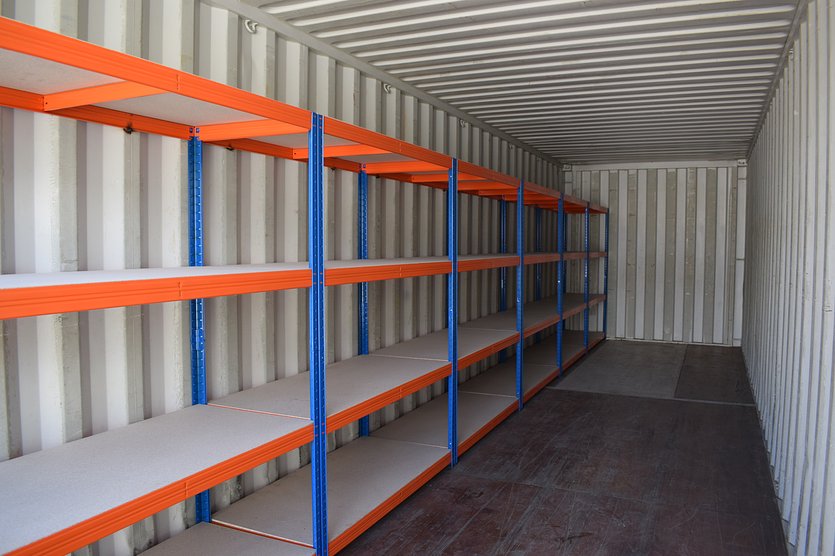
- Advertisement hoc Storage: Ideal for property and business storage solutions.
- Security: Steel structure supplies high security against theft.
3. Modular Construction
- Eco-Friendly Buildings: Can be repurposed for domestic and business building and constructions, promoting sustainability.
- Quick Deployment: Construction time is substantially decreased compared to conventional techniques.
4. Pop-Up Shops and Cafés
- Short-term Retail: Used increasingly by companies for pop-up occasions due to their mobility.
- Customizable Designs: Individuals can customize the containers to show brand name looks.
5. Emergency Situation and Disaster Relief
- Temporary Shelters: Can be transformed into homes or clinics after natural catastrophes, providing immediate shelter.
- Storage for Supplies: Used to save medical or food materials in crisis situations.
Key Benefits of Using Conex Containers
Conex containers present numerous advantages throughout numerous applications:
Durability and Strength
Built from high-quality steel, these containers are designed to withstand severe weather condition conditions and are resistant to corrosion.
Cost-Effectiveness
Compared to conventional construction methods or storage centers, Conex containers are an affordable alternative. Their accessibility in the used market can considerably lower costs.
Customizability
Containers can be modified to suit particular needs, including the addition of windows, doors, electrical systems, and HVAC systems.
Mobility
Quickly transportable, they can be moved using trucks or cranes, making them an ideal option for moving workplaces or short-lived setups.
Security
Lockable and sturdy in nature, Conex containers provide an added layer of security for valuable products.
Frequently Asked Questions (FAQ)
1. How much do Conex containers cost?
The rate of a Conex container differs widely based upon size, condition (new vs. used), and modifications. Generally, used containers can range from ₤ 1,500 to ₤ 3,500, while new containers may cost between ₤ 3,000 and ₤ 5,000.
2. Do Conex containers need permits for installation?
It depends on regional regulations. Lots of municipalities require authorizations for container usage, specifically if they are modified or used for domestic purposes. Always inspect regional zoning laws.
3. What is the life-span of a Conex container?
A well-kept Conex container can last between 10 to 25 years, depending upon ecological conditions and use.
4. Can Conex containers be insulated?
Yes, containers can be insulated to make sure heat in colder environments or to manage temperature-sensitive product. Expert insulation methods exist to preserve structural stability.

- 이전글Robot Vacuum For Pet: A Simple Definition 26.03.06
- 다음글20 Fun Facts About Excersize Bike 26.03.06
댓글목록
등록된 댓글이 없습니다.