

Ten Apps To Help Manage Your Non-Folding Treadmill
페이지 정보

본문
The Comprehensive Guide to Non-Folding Treadmills
In the realm of home fitness equipment, treadmills have actually taken a significant niche. Among the numerous types offered, non-folding treadmills stand out due to their robust construction and easy to use features. This blog site post will dive deep into the world of non-folding treadmills, discussing their advantages, disadvantages, features to look for, and offering an in-depth comparison of some popular designs on the marketplace.
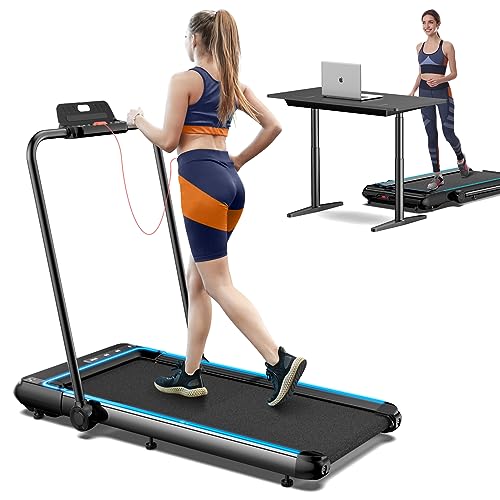
What is a Non-Folding Treadmill?
A non-folding treadmill is a kind of treadmill created for stability and toughness. Unlike folding designs, which can be collapsed and kept when not in usage, non-folding treadmills maintain a set structure. This style typically leads to a sturdier construct, advanced functions, and better overall efficiency.
Advantages of Non-Folding Treadmills
Stability: These treadmills are normally heavier and more robust, providing a steady running surface that can stand up to intense workouts.
Durability: Non-folding treadmills are typically constructed with higher-quality materials, which add to their longer life-span.
Larger Running Surface: Many non-folding models offer a larger running area, which is helpful for users with longer strides or those who prefer more area when running.
Advanced Features: These machines often come equipped with better innovation and extra features, such as advanced monitoring systems, incline modifications, and connection alternatives.
Better Performance: Non-folding treadmills tend to have remarkable motors and belts, resulting in a smoother and more enjoyable running experience.
Downsides of Non-Folding Treadmills
Space Requirements: The set structure means that non-folding treadmills require more area and can not be quickly saved away.
Weight: They tend to be much heavier than folding models, which can make them more difficult to move or transfer.
Expense: Non-folding treadmills typically come at a greater cost point due to their boosted functions and sturdiness.
Key Features to Look For
When thinking about a non-folding treadmill, several features must be considered:
| Feature | Description |
|---|---|
| Motor Power | A motor over 2.5 CHP is ideal for serious runners. |
| Belt Size | Look for a belt size of a minimum of 20" x 60" for comfort. |
| Slope Range | Consider models with a slope series of as much as 15% for added intensity. |
| Show Features | A clear display to track speed, range, time, and heart rate is crucial. |
| Shock Absorption | Quality shock absorption systems reduce influence on joints. |
| Connection | Bluetooth and app connectivity can boost the workout experience. |
Leading Non-Folding Treadmills in 2023
Below is a table comparing some of the leading non-folding treadmills currently offered on the marketplace.
| Model | Motor Power | Running Surface (inches) | Incline Range | Price Range | Notable Features |
|---|---|---|---|---|---|
| NordicTrack Commercial 2950 | 4.0 CHP | 22" x 60" | 0% - 15% | ₤ 2,799 - ₤ 3,199 | Interactive training, touch screen, iFit inclusion |
| Sole Fitness F85 | 3.5 CHP | 22" x 60" | 0% - 15% | ₤ 1,699 - ₤ 1,899 | Folding function (contradiction!), Bluetooth, long lasting style |
| ProForm Pro 9000 | 4.0 CHP | 22" x 60" | 0% - 15% | ₤ 1,999 - ₤ 2,299 | iFit tech, adjustable cushioning |
| Life-span TR5500i | 3.5 CHP | 20" x 60" | 0% - 13% | ₤ 1,699 - ₤ 1,899 | Built-in Bluetooth, health tracking |
| Horizon Fitness 7.0 AT | 3.0 CHP | 20" x 60" | 0% - 12% | ₤ 999 - ₤ 1,199 | Quick incline, manual collapsible option |
Upkeep Tips for Non-Folding Treadmills
Keeping your non-folding treadmill will guarantee its longevity and optimum performance. Here are some essential upkeep suggestions:
Regular Cleaning: Keep the treadmill clean by cleaning down the console and frame. Vacuum around the base to prevent dust accumulation.
Lubrication: Regularly lubricate the treadmill belt, per the maker's recommendations, to reduce friction and wear.
Inspect the Parts: Periodically inspect the belt, motor, and electrics for any indications of wear or damage.
Calibration: Ensure the treadmill is calibrated correctly to offer accurate workout information.
Professional Servicing: Consider yearly service by an expert to attend to any potential issues before they end up being considerable issues.
Regularly Asked Questions (FAQ)
1. Are non-folding treadmills much better than folding designs?
Non-folding treadmills normally use much better stability, toughness, and advanced functions. They are ideal for serious runners who have the space to accommodate them.
2. Just how much area do I require for a non-folding treadmill?
Non-folding treadmills typically require a dedicated workout space, usually around 6-8 feet in length and 3-4 feet in width.
3. Can I use a non-folding treadmill for Walking Pad Non Electric along with running?
Absolutely! Non-folding treadmills cater to a series of exercise intensities, making them appropriate for walking, running, and running.
4. What is the average life expectancy of a non-folding treadmill?
With correct maintenance, a premium non-folding treadmill can last anywhere from 10 to 15 years or more.
5. Are non-folding treadmills noisy?
Many non-folding treadmills are developed with sound decrease technology, making them reasonably peaceful compared to older models.
Investing in a non-folding treadmill can be a groundbreaking decision for anybody major about their physical fitness journey. While they do require a bigger preliminary area and spending plan, the advantages of stability, resilience, and advanced features are considerable. By thinking about the features that matter most and maintaining the devices frequently, users can enjoy a gratifying and reliable exercise experience for many years to come.
- 이전글The 10 Most Terrifying Things About Off Road Stroller 26.03.07
- 다음글A Intermediate Guide In New Treadmill 26.03.07
댓글목록
등록된 댓글이 없습니다.