

7 Tips To Make The Most Out Of Your German Driving License Laws
페이지 정보

본문
Understanding German Driving License Laws: A Comprehensive Guide
Getting a driving license is a significant milestone in lots of people's lives, granting them the flexibility to take a trip and browse their environments with ease. In Germany, the laws governing driving licenses are precise and thorough, ensuring that chauffeurs fulfill rigorous standards of skill and safety. This post explores the crucial aspects of German driving license laws, offering a comprehensive summary in addition to FAQs, lists, and tables that simplify the info for easy understanding.
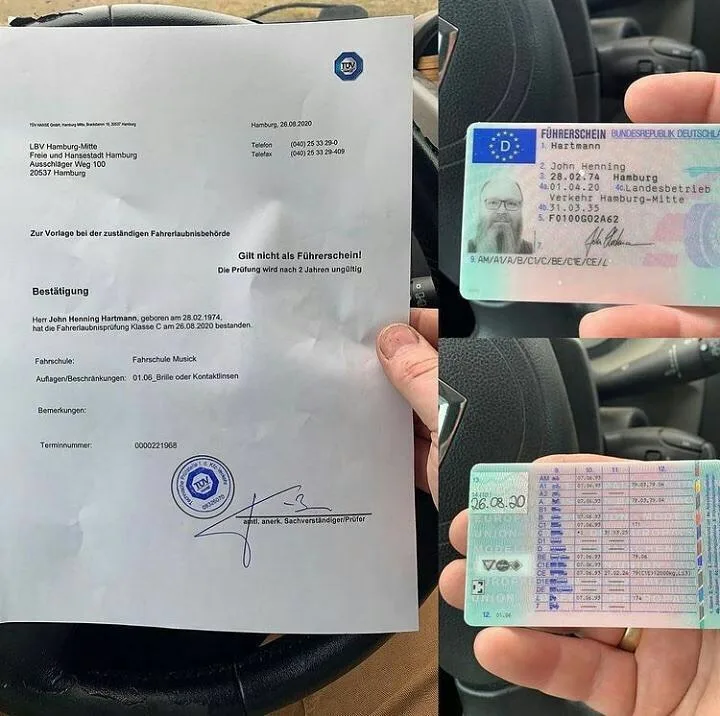
Introduction of Driving License Categories
Germany classifies driving licenses based upon the kinds of cars that can be operated. Understanding these classifications is important for anyone seeking to obtain a license. Below is a breakdown of the classifications:
| License Category | Car Type | Age Requirement | Description |
|---|---|---|---|
| AM | Mopeds and scooters as much as 50cc | 15 years | Permits operation of light two-wheeled automobiles and low-speed scooters. |
| A1 | Motorbikes approximately 125cc | 16 years | Permits riding light-weight bikes. |
| A2 | Motorcycles approximately 400cc | 18 years | Permits operation of medium-weight motorbikes. |
| A | All motorcycles | 24 years (or 21 years with 2 years of A2 experience) | Full bike license for all types. |
| B | Cars (up to 3.5 tons) | 18 years | Most typical license for personal lorries. |
| BE | Automobile with trailer (over 750kg) | 18 years | Enables driving an automobile with a heavier trailer. |
| C | Trucks (over 3.5 heaps) | 21 years | For heavy cars and transportation purposes. |
| C1 | Medium trucks (3.5 to 7.5 lots) | 18 years | Intermediate truck classification for limited load. |
| D | Buses (more than 8 passengers) | 24 years | For public transportation and larger groups. |
| D1 | Mini buses (up to 16 seats) | 21 years | For little buses. |
Actions to Obtain a German Driving License
The process of acquiring a driving license in Germany involves a number of actions, which can differ based on the classification of the license pursued. Here's a streamlined list of the primary steps involved:
Eligibility Check:
- Confirm your age requirements based upon the preferred license category.
- Guarantee you have a legitimate residency status in Germany.
Theoretical Training:
- Enroll in a driving school (Fahrschule) for theoretical lessons, covering subjects like traffic laws, signs, and safe driving practices.
Theoretical Exam:
- Pass a written theoretical exam consisting of multiple-choice concerns.
Practical Training:
- Complete a set number of practical driving lessons, which differ by license category.
Practical Exam:
- Pass a useful driving test with an inspector, showing your driving skills and knowledge.
Application Submission:
- Submit an application to the local driver's license authority (Fahrerlaubnisbehörde) along with required documents (ID, residency, and medical certificate if needed).
Receive Driving License:
- Upon effectively completing all tests and sending your application, you will get your driving license.
Files Required
Here's a list of vital files required for the application procedure:
- Valid passport or nationwide ID
- Residency registration (Meldebescheinigung)
- Eye test certificate
- Emergency treatment course certificate
- Certificate of conclusion of theoretical and useful training from the driving school
Essential Traffic Laws to keep in mind
Germany is understood for its rigid traffic laws, created to boost roadway safety. Below are some crucial traffic guidelines that every driver should understand:
Speed Limits:
- Motorways: Generally no speed limit (often advised optimum of 130 km/h).
- Urban locations: 50 km/h.
- Backwoods: 100 km/h.
Alcohol Limits:
- General blood alcohol limitation: 0.05% (0.0% for newbie and under-21 motorists).
Seatbelts:
- Mandatory for all travelers and motorists.
Use of Mobile Phones:
- Prohibited unless hands-free.
Traffic Signs:
- Must obey all published traffic indications, consisting of yield and stop signs.
Typical FAQs About German Driving License Laws
1. The length of time is a German driving license legitimate?
A German driving license is generally valid for 15 years. After this period, it must be restored.
2. Can I drive with a foreign driving license in Germany?
Yes, visitors can drive with a valid foreign driving license for up to 6 months. After that, a German license is needed.
3. What is the expense of acquiring a driving license in Germany?
Expenses can vary significantly but normally range from EUR1,500 to EUR3,000, Kaufen FüHrerschein including lessons, tests, and administrative costs.
4. Exist any exemptions for getting a driving license?
Specific exemptions apply, such as for individuals with disabilities. Unique provisions might be made to accommodate different requirements.
5. What occurs if I violate traffic laws?
Violations can lead to fines, points on your driving record, and even license suspension depending upon the severity of the offense.
Browsing the laws surrounding driving licenses in Germany can seem overwhelming, however extensive understanding promotes notified decision-making, making sure safe and responsible driving. By ending up being familiarized with the categories, procedures, and essential traffic policies, potential drivers can prepare themselves efficiently. Whether you are a resident or a visitor, sticking to these standards will boost your experience on Germany's roadways.
For anybody considering starting into driving in Germany, this knowledge serves as a solid foundation to begin with. Safe driving!
- 이전글Why We Our Love For Duplicate Irish Driving License (And You Should, Too!) 26.03.11
- 다음글An Guide To Private ADHD In 2024 26.03.11
댓글목록
등록된 댓글이 없습니다.